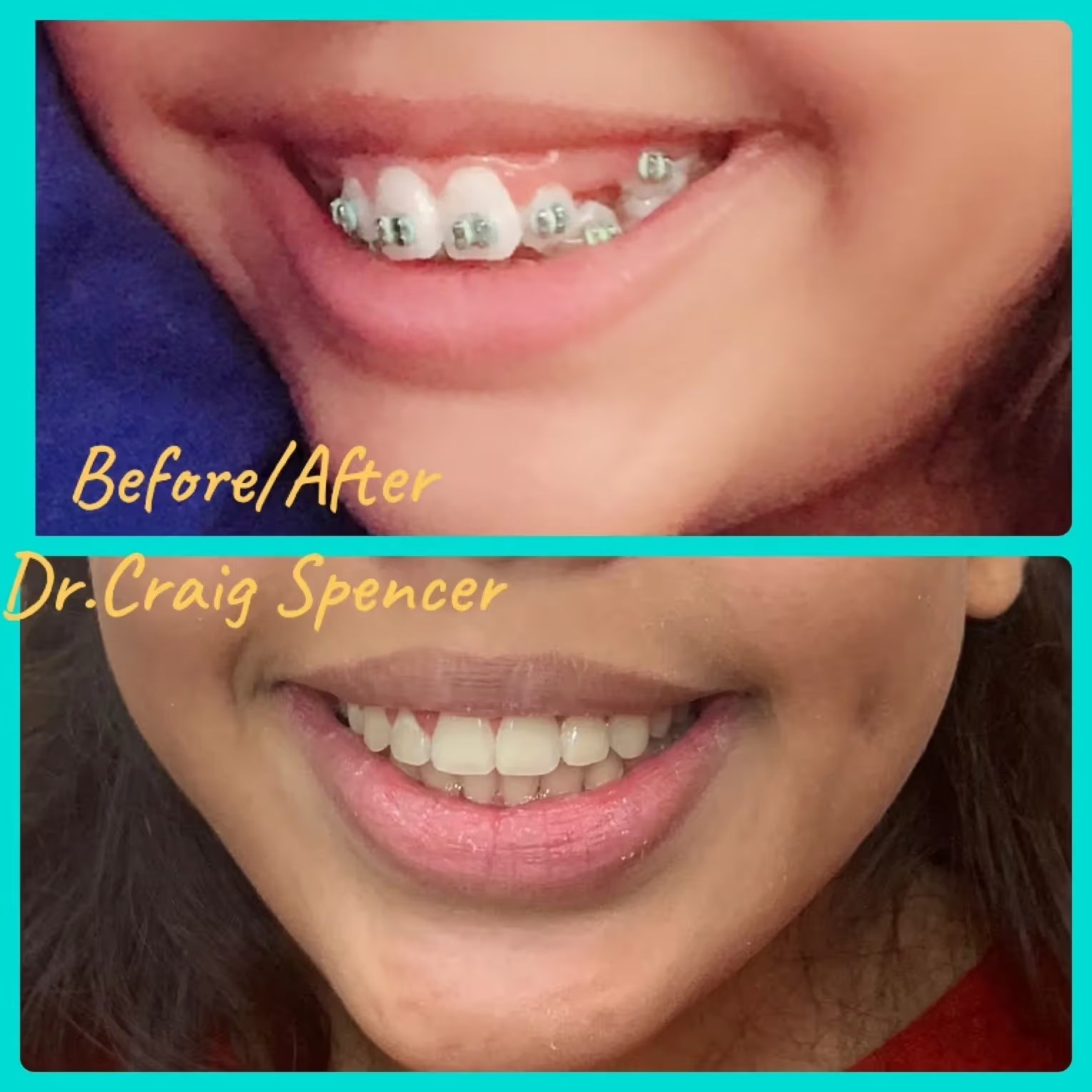
Why Should I Get Braces?
Braces do more than enhance the look of your smile, they play a major role in protecting your long-term oral health. When teeth are crooked or misaligned, they’re harder to clean effectively, which can lead to plaque buildup, tooth decay, and gum disease. At Coral Springs Dental Center, our orthodontic treatments help correct tooth alignment so you can maintain better oral hygiene and reduce your risk of future dental issues.
The Benefits of Braces
Improved Oral Health
Straighter teeth aren’t just about appearance, they’re easier to clean, which helps reduce plaque buildup and lowers your risk of cavities, gum disease, and other long-term oral health issues
Enhanced Aesthetics
Braces can transform your smile by correcting misalignments, improving bite function, and creating a more balanced, confident appearance.
Better Facial Symmetry
Correcting the alignment of your teeth and jaw doesn’t just improve your smile, it also enhances overall facial symmetry and proportions.
How It Works
Consultation and Planning
Your braces journey begins with a comprehensive consultation with our experienced orthodontist. During this initial visit, we evaluate your oral health, take detailed X-rays and impressions, and discuss your smile goals in depth. Using this information, our team creates a personalized orthodontic treatment plan tailored to your unique needs, lifestyle, and desired results.
Placement and Adjustments
Once your personalized orthodontic treatment plan is finalized, we’ll schedule an appointment to place your braces. During this visit, our experienced orthodontic team will carefully bond the brackets to your teeth and guide the archwire into place for optimal alignment. Throughout your braces treatment, you’ll return to our office for regular adjustment appointments, ensuring your teeth continue moving safely and effectively according to your treatment plan.
Retention and Maintenance
After your braces are removed, maintaining your straight, healthy smile becomes the next important step. Our team provides a custom-made retainer designed to hold your teeth in their new position and prevent shifting. By attending regular follow-up visits and keeping a consistent at-home oral hygiene routine, you can protect your results and ensure the long-term success of your orthodontic treatment.
Success Stories and Patient Testimonials
Frequently Asked Questions

The duration of your braces treatment will depend on the complexity of your case and the type of braces you choose. On average, most patients wear braces for 12 to 24 months. However, some cases may require more or less time. During your consultation, our orthodontist will provide you with a more precise estimate based on your individual needs and goals.
While braces may cause some discomfort, especially during the first few days after placement and after adjustments, most patients find that any pain or soreness is manageable with over-the-counter pain relievers. Our team will work closely with you to ensure your comfort throughout the treatment process, and we'll provide you with tips and guidance on how to minimize any discomfort.
Typically, patients with braces will need to visit our office every 4 to 8 weeks for adjustments and progress checks. These regular appointments allow our orthodontist to monitor your treatment, make any necessary adjustments to your braces, and ensure that your teeth are moving according to plan. We'll work with you to schedule these appointments at times that are convenient for you.
There's a common misconception that braces are only for teenagers, but the truth is, they can be beneficial for anyone at any age who wants to improve their smile. However, the American Association of Orthodontists recommends that children have their first orthodontic check-up around age seven. This doesn't mean your child will need braces right away, but early evaluation allows the orthodontist to detect and diagnose any potential issues that may require treatment in the future.
For many, the "ideal" age to get braces tends to be between 10 and 14 years old. At this stage, the head and mouth are still growing, making the teeth more conducive to straightening. However, more adults are opting for braces now than ever before. It's never too late to enhance your smile and improve oral health!
When you have braces, it's important to avoid certain types of food that can cause damage. Generally, you should steer clear of foods that are hard, chewy, sticky, or likely to get stuck in your braces.
Hard foods, such as apples, raw carrots, popcorn, and nuts, can break or damage the wires and brackets. Chewy foods like bagels, licorice, and pizza crust can also cause problems by bending wires and loosening brackets.
Sticky foods, including gum, caramel, and taffy, can get stuck and be difficult to remove, leading to potential cavities. Foods high in sugar should also be limited, as they can lead to tooth decay and other related problems.
Yes, braces can change your face shape, but the extent of the change depends on several factors, including your original jaw alignment, the type of braces, and the length of treatment.
Braces work by applying pressure to the teeth and jaw, which can subtly alter the structure of your face over time. If you have an overbite, underbite, or crossbite, braces can make your profile more aligned and symmetrical.
It's important to note that these changes are usually slight and gradual. The primary goal of braces is to correct dental issues, but the changes to facial structure can be a welcome bonus for many!
If you're finding it difficult to close your mouth with braces, don't panic; this is a common issue, especially in the early stages of treatment. Braces are designed to correct alignment issues, and in doing so, they can temporarily change the way your jaws fit together.
When braces are first applied, your mouth needs time to adjust to the new hardware. This can result in difficulty closing your mouth fully, but it's usually a temporary issue. As your teeth begin to shift and align correctly, you'll likely find it easier to close your mouth.
Remember, it's crucial to communicate with your orthodontist about any concerns or discomfort. They can offer solutions or adjustments to make your braces-wearing experience more comfortable.